A pawn push with a plan
In the Italian Game, d4 can be the move that brings your position to life. It challenges Black's e5 pawn, gives your pieces more room, and may attack the bishop on c5 at the same time. But the useful question is not whether d4 looks active. It is what you will have after Black responds.
Start with 1.e4 e5 2.Nf3 Nc6 3.Bc4 Bc5. White has developed two pieces and can castle. The center is still held by the two e-pawns. From here, compare an immediate d4 with a break prepared by c3. Neither diagram is a promise of an advantage; the comparison shows what the extra pawn move changes.
Give the c-pawn a job
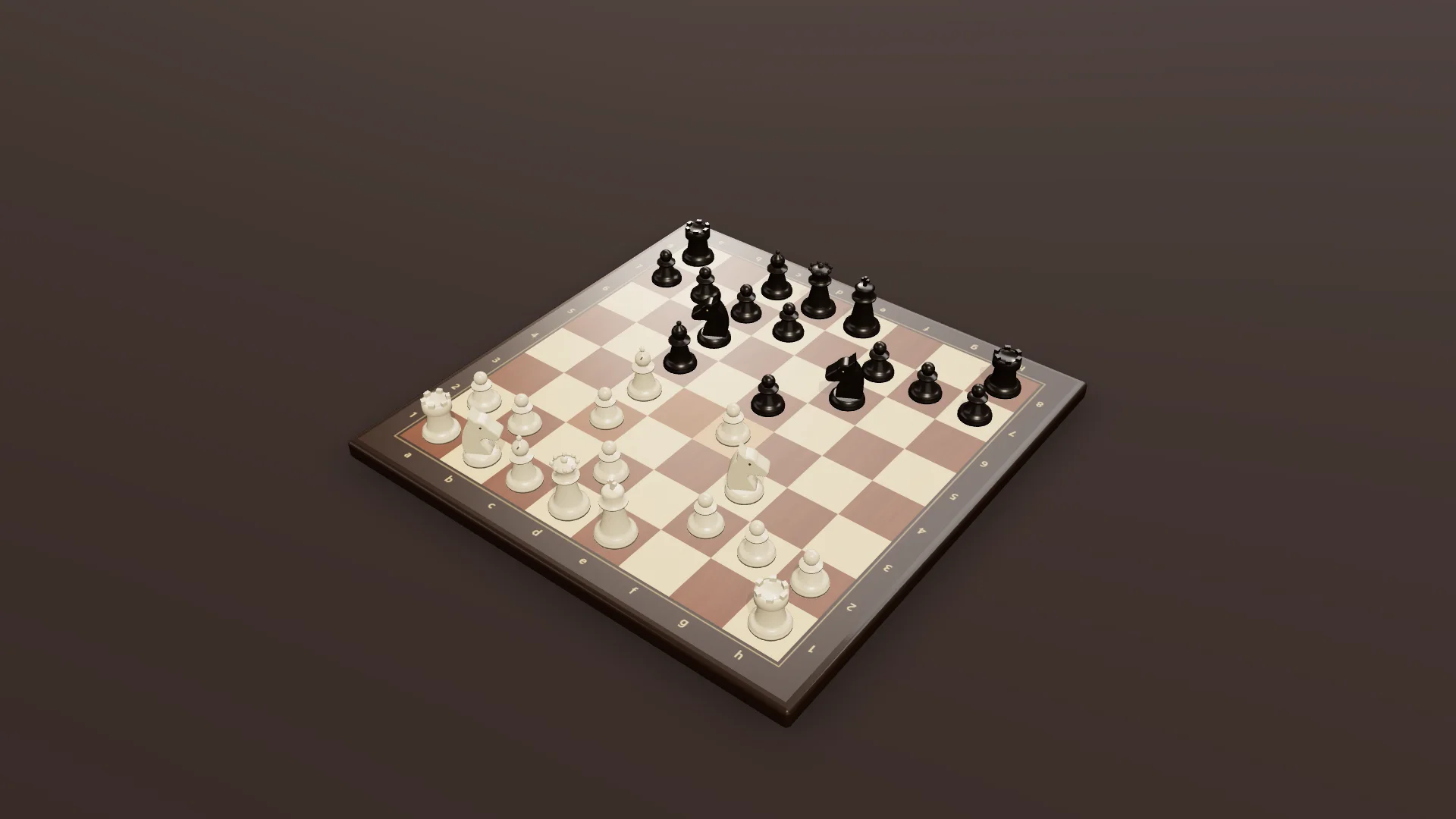
After 4.c3 Nf6, the pawn on c3 supports d4. If White plays 5.d4 and Black replies 5...exd4, White can answer 6.cxd4. The result is a pair of white pawns on d4 and e4. The c-pawn has helped rebuild the center instead of watching a knight do the recapturing.
This also changes the route available to the b1 knight: c3 becomes empty after the recapture. Before that happens, c3 is occupied and the knight cannot develop there. Preparation always has a cost. White has spent a move on a pawn while Black has brought another piece into play.
See the idea in motion
Make room for the center
Follow c3, d4, and the recapture. Then see why Black's next check matters.
Pause, step through, or switch to 2D.Do not stop at the pawn center
Play the sequence through one move further: 5.d4 exd4 6.cxd4 Bb4+. The bishop that was attacked on c5 moves away with check. It now points along b4–c3–d2–e1, a diagonal opened by White's pawn moves. That check must be answered before White continues with an unrelated plan.
One legal continuation is 7.Bd2. White places the c1 bishop on the checking diagonal and develops it at the same time. If Black then chooses 7...Bxd2+, White can recapture with 8.Nbxd2. This is an illustrative branch, not a claim that Black must trade bishops or that the line is forced.
The same move can make a different position
Return to the position after 3...Bc5 and try 4.d4 immediately. Following 4...exd4, the move cxd4 is not available: White's c-pawn is still on c2. White can legally play 5.Nxd4, but now the piece on d4 is a knight and the pawn structure is different.
That does not make every immediate d4 a mistake. It means that a memorized plan has to be checked against the actual board. You may choose a different structure or accept a tactical position, but you should do so deliberately. A move that is useful in one sequence can serve a different purpose when a single pawn stands elsewhere.
Three questions before the break
- After ...exd4, which piece or pawn will recapture, and where will your center be?
- What checks, captures, and direct threats can Black play after that recapture?
- Which of your pieces benefits from the opened lines, and which still needs development?
In slower Italian positions, the details will change: the d-pawn may already be on d3, the bishops may have retreated, and both kings may have castled. Use the questions again rather than transferring this exact move sequence unchanged. The opening name identifies a family of positions; it does not decide your next move.
Rebuild the center yourself
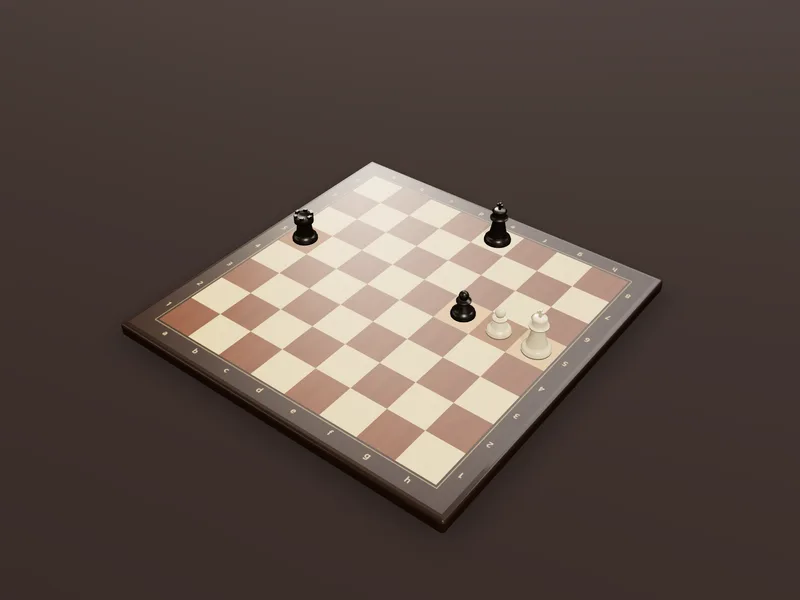
Black has just captured on d4. Your task is specific: put white pawns on both d4 and e4. Choose the recapture that does it, then look for Black's checking diagonal. You can make the move in 2D or switch to the sculpted 3D board.
Your move
Put the idea to the test
Which recapture gives White pawns on d4 and e4? Play it on the board.
Explore in 3D, or switch to 2D.Sources & further reading
- Lichess opening catalogue
CC0 opening names and starting moves. The comparisons and explanations here are original; legal move sequences are checked with chess.js.
Prepared with AI assistance. The board positions and move sequences are automatically checked for legality. This preview is awaiting independent editorial review.
Take it to the board
Explore the Italian Game
Follow the opening's branches and compare the plans for both sides.